When building a house in Pakistan, one of the first decisions you will face is how to divide the work. Do you hire a contractor for the grey structure only and manage the finishing yourself — or appoint one contractor to deliver a complete turnkey home, ready to move in?
Both approaches work. The right one depends on your budget, how much time you can spend on site, and how much risk you are prepared to manage. Here is a clear comparison.
What is grey structure construction?
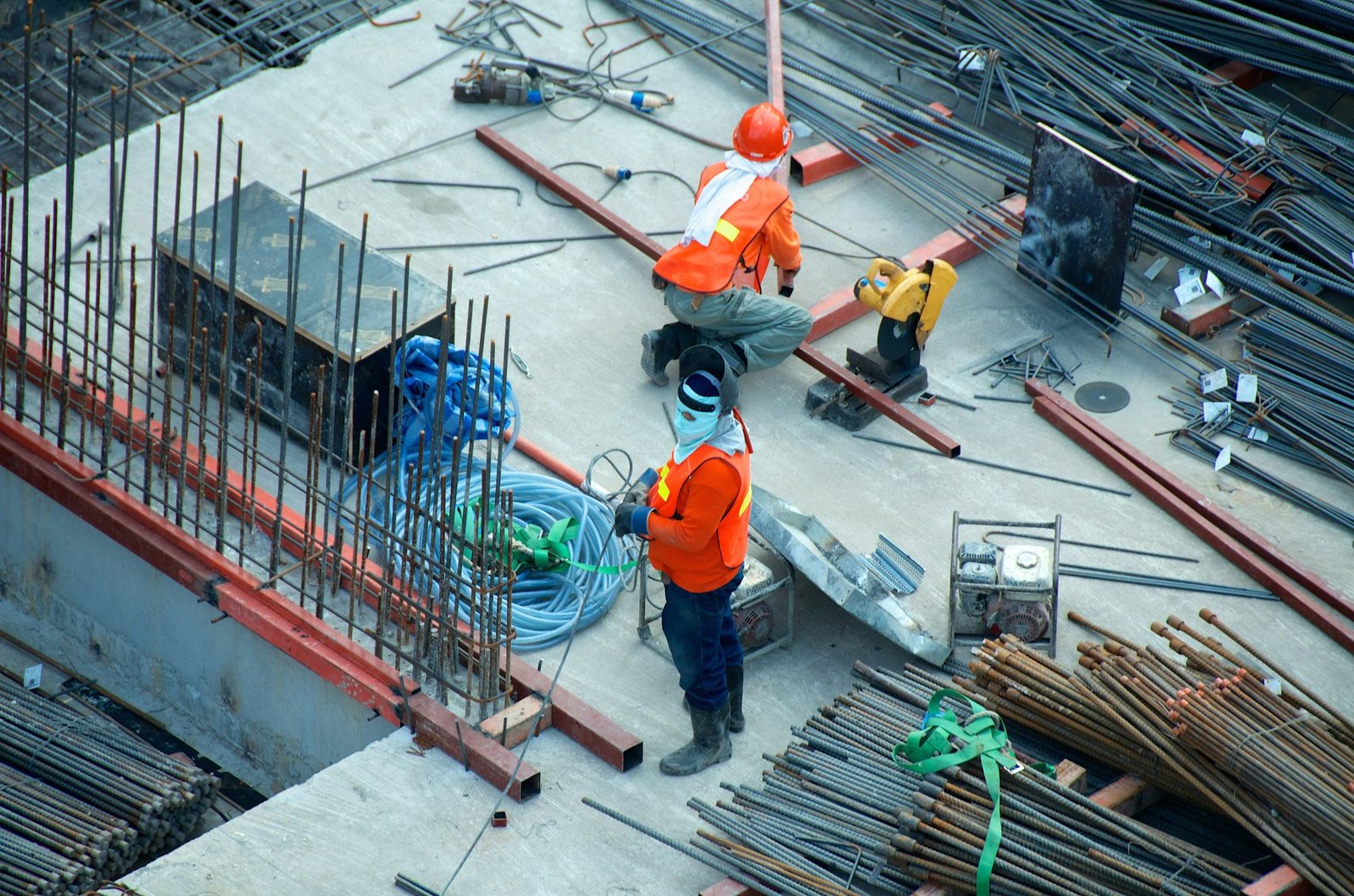
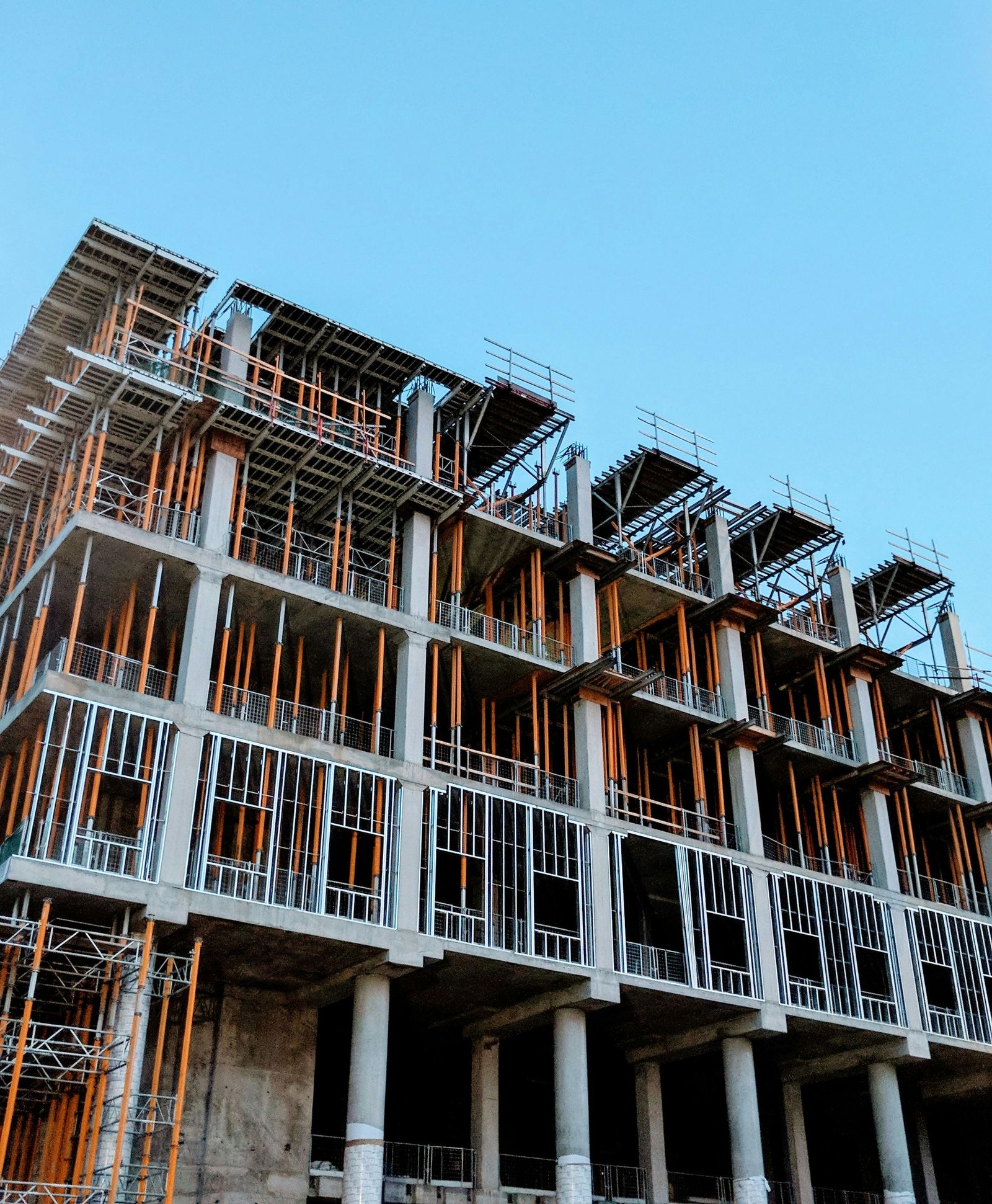
Grey structure is the building's skeleton and shell — everything that gives it strength and form, before any finishes are applied. It typically includes:
- Excavation and foundations
- The reinforced concrete frame: columns, beams and slabs
- Brick or block masonry walls
- Concealed electrical conduits and plumbing lines
- Plaster, in many (but not all) grey structure contracts
Once the grey structure is complete, the owner arranges finishing works — tiles, paint, woodwork, fixtures — either directly or through separate contractors.
What is turnkey construction?
In a turnkey contract, one contractor delivers the complete building: the grey structure plus every finishing item agreed in the specification. You receive the keys to a ready-to-live-in home. Finishing typically covers flooring and tiling, paint, doors and windows, electrical and sanitary fittings, kitchen and wardrobes, and external works.

Side-by-side comparison
| Factor | Grey Structure | Turnkey |
|---|---|---|
| Scope | Structure and shell only | Complete, finished building |
| Your involvement | High — you manage finishing trades | Low — one contractor coordinates everything |
| Control over finishes | Full control, item by item | Agreed upfront in the specification |
| Upfront contract value | Lower | Higher |
| Risk of overruns | Higher during finishing | Lower, if the specification is detailed |
| Accountability | Split between several parties | Single point of responsibility |
| Best for | Owners on site with time to manage trades | Busy or overseas owners wanting certainty |
A third option: structure plus managed finishing
Many owners choose a middle path: a contractor builds the grey structure, then continues with finishing on an item-by-item or managed basis, while the owner selects and approves finishes. This keeps one team on site — avoiding the hand-over gap between grey structure and finishing trades — while giving the owner control over choices and spending. It works best when the finishing scope and rates are agreed in writing before the grey structure is complete.
How payments are usually staged
Whichever model you choose, payments should follow completed and inspected work — never time alone. A typical sequence looks like this:
| Stage | Grey structure | Turnkey (additional stages) |
|---|---|---|
| 1 | Mobilisation and excavation | — |
| 2 | Foundations and plinth | — |
| 3 | Each roof slab completed | — |
| 4 | Masonry, conduits and plumbing lines | — |
| 5 | Plaster (if included) | Flooring and tiling |
| 6 | — | Doors, windows and woodwork |
| 7 | — | Paint, fittings and fixtures |
| 8 | — | Handover, with a retention held for defects |
Inspect each stage before releasing payment — particularly reinforcement before every concrete pour, which cannot be checked once it is covered.
What affects the timeline
Construction time depends on the size of the building and the scope, but a few factors cause most delays in both models:
- Approvals — work should not start until building plans are approved.
- Curing time — concrete needs proper curing; rushing it to save weeks weakens the structure.
- Material supply — late cement, steel or finishing items stop work on site.
- Decisions — in finishing, slow selection of tiles, fittings and colours is one of the biggest causes of delay.
- Weather — monsoon rains and extreme heat affect concreting and plastering schedules.
Which option should you choose?
Choose grey structure if…
- You live near the site and can supervise finishing personally.
- You want to select and buy every finishing item yourself.
- You plan to finish the house in phases as funds allow.
Choose turnkey if…
- You cannot visit the site regularly — including overseas Pakistanis.
- You want one accountable contractor and a predictable budget.
- You value a fixed timeline over item-by-item control.
Grey structure gives you control; turnkey gives you certainty. Whichever you choose, the quality of the structure is non-negotiable — finishes can be upgraded later, but foundations and columns cannot.
What every contract must include
The most common disputes come from vague contracts. Whichever model you choose, insist on:
- A written list of inclusions and exclusions — for example, whether plaster, water tanks or boundary walls are included.
- Material specifications: cement type, steel grade, brick class and concrete mix.
- For turnkey: a finishing schedule naming brands or price bands for tiles, fittings, paint and woodwork.
- A timeline with milestones and what happens if they are missed.
- Stage-based payments released after inspection.
- A defect-liability period after handover.
Questions to ask a turnkey contractor
- Exactly which brands or price bands are included for tiles, sanitary ware, electrical fittings and paint?
- What happens if I want to upgrade an item — how is the difference priced?
- Who manages the electrician, plumber and carpenter, and who is accountable for their work?
- How will I receive progress updates if I cannot visit the site?
- What defect-liability period applies after handover?
Common mistakes to avoid
- Cutting structural quality to save money for expensive finishes.
- Starting work before building plans are approved by the local authority.
- Accepting a turnkey quote without a detailed finishing specification.
- Releasing payments before work is inspected.
Planning a home or commercial building? Explore our General Building Works service, or request a quote for a grey structure or turnkey project.
Frequently asked questions
What is included in grey structure construction?
Typically excavation, foundations, the reinforced concrete frame (columns, beams and slabs), brick masonry, and concealed electrical conduits and plumbing lines. Many contractors also include plaster. Inclusions vary, so they must be listed in the contract.
What does turnkey construction mean?
The contractor delivers a finished, ready-to-live-in building: grey structure plus all finishing works such as flooring, paint, doors, windows, fixtures, kitchen and electrical and plumbing fittings.
Is grey structure cheaper than turnkey?
The grey structure contract itself is smaller, but your total cost depends on how well you manage the finishing stage. Turnkey usually costs more upfront but transfers coordination and much of the risk to the contractor.
Which option is better for overseas Pakistanis?
Turnkey is usually more practical for owners who cannot visit the site regularly, because one accountable contractor manages the whole project.
Published 3 October 2026. This article is for general guidance; requirements and regulations can change, so confirm details with the relevant authority for your project.

Elite Albaraka Associates Pvt Ltd is an SECP and PEC registered engineering, construction and general trading company headquartered in Mardan, Khyber Pakhtunkhwa. Learn more about our General Building Works.