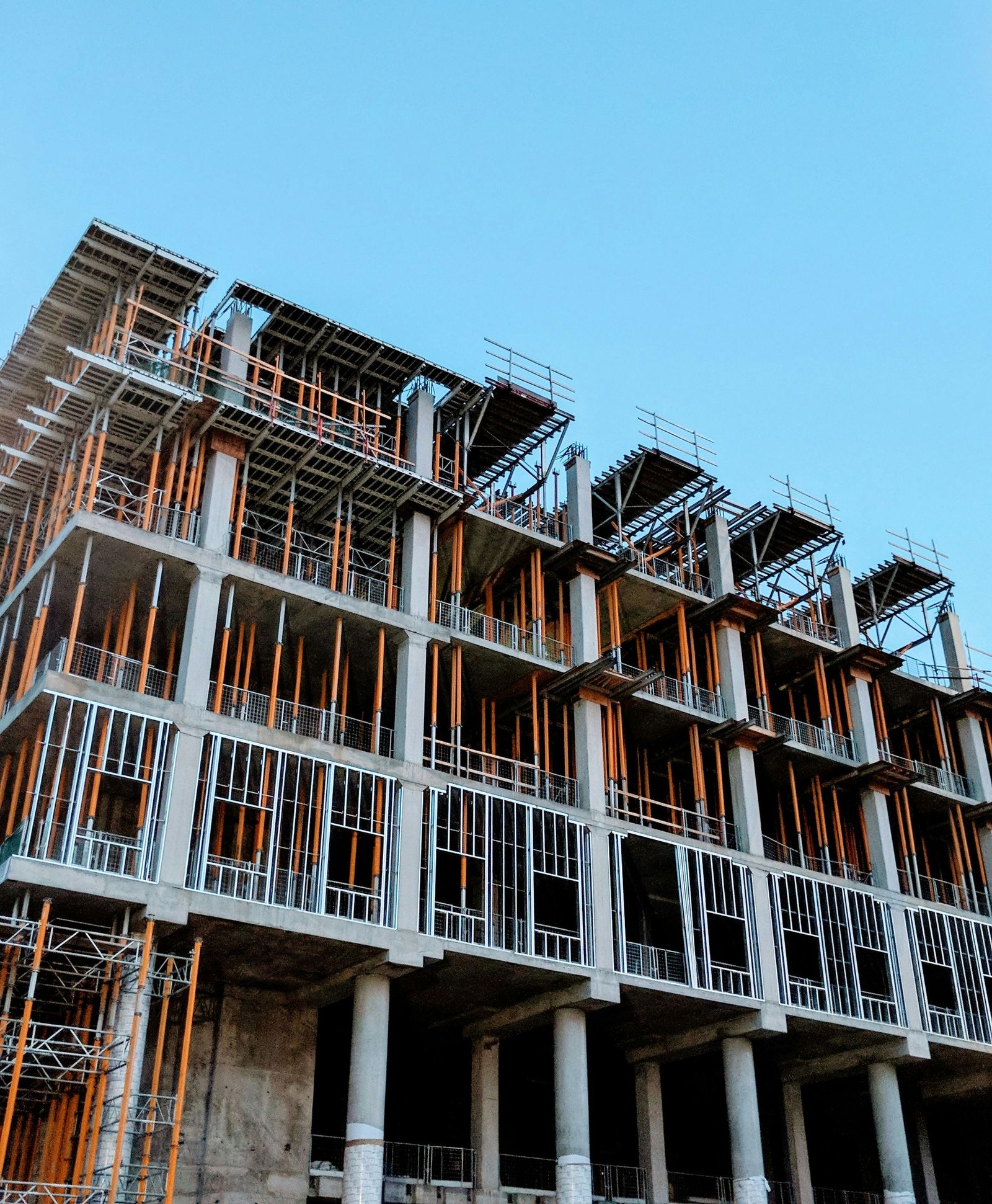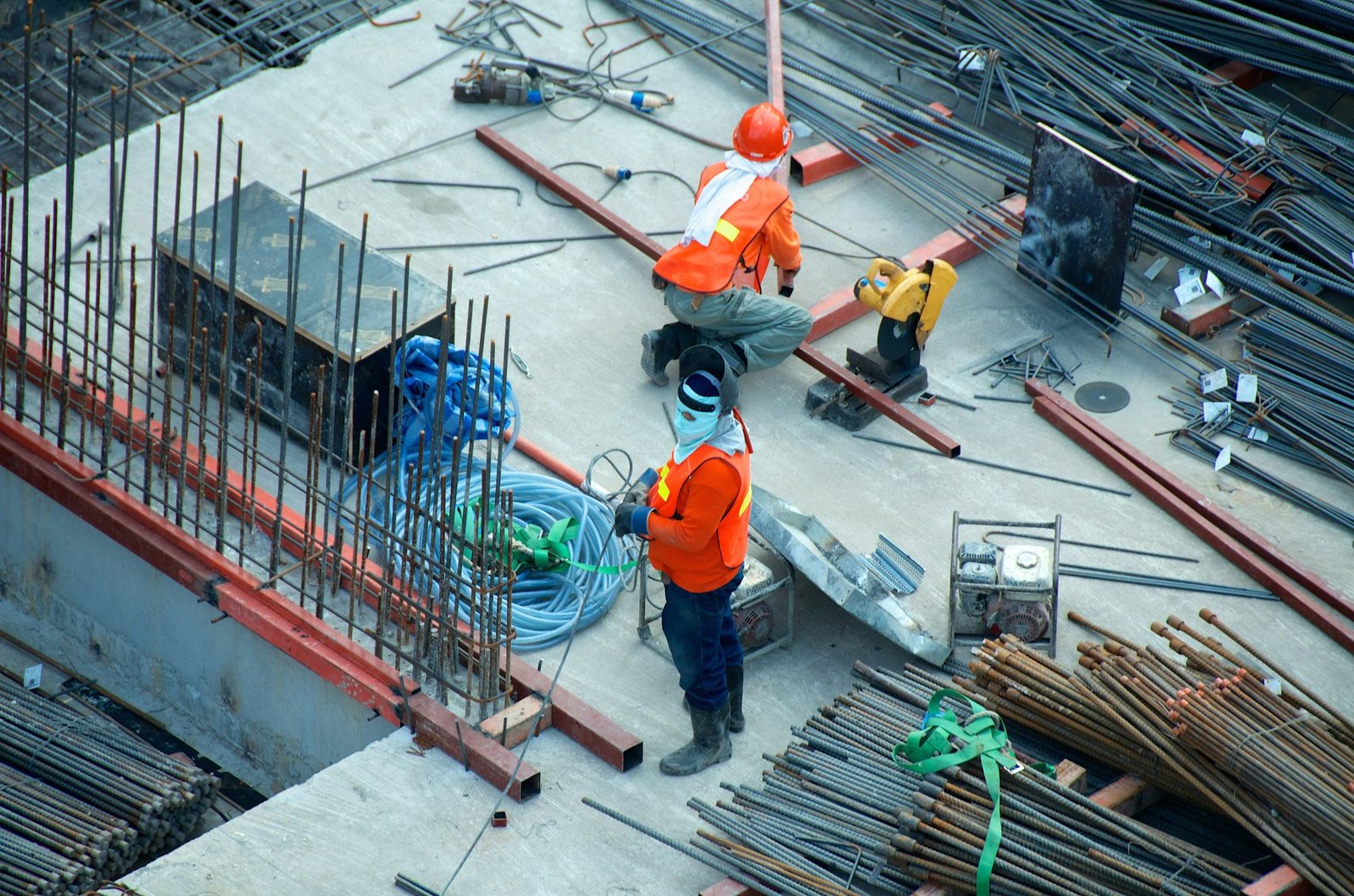
Building a home, a commercial plaza or a warehouse is one of the largest investments most families and businesses in Pakistan will ever make. Yet contractors are still chosen on a relative's recommendation or simply the lowest quotation — and many projects end with cracked plaster, roof seepage, stalled work and budgets that quietly double.
Choosing the right contractor is not about finding someone who can lay bricks. It is about finding a partner with the right registration, the right engineers and the right processes. This checklist walks you through exactly what to verify before you sign.
Why PEC registration matters
The Pakistan Engineering Council (PEC) registers engineers and licenses construction firms (called constructors and operators) to carry out engineering works. A valid PEC licence tells you three important things about a firm:
- It has registered engineers on its team, not just a site supervisor.
- It has been assessed on its experience and financial standing.
- It is accountable to a regulator: PEC can penalise firms for misconduct, including submitting fake or forged documents.
Unregistered builders may be cheaper on paper, but you lose that accountability — and many public and institutional clients will not accept them at all.
Understand the licence categories
PEC licenses constructors in eight categories: C-A, C-B and C-1 through C-6. C-6 is the entry category for smaller works, and the value of work a firm may undertake increases with each category up to C-A. Firms registering in C-3 and above must also be registered with the Securities and Exchange Commission of Pakistan (SECP).
The practical lesson: match the category to your project. A firm that builds motorways is not necessarily right for a 10 Marla house, and a small local builder should not be trusted with a multi-storey commercial building beyond its licensed limit.
Ask every bidder for their PEC registration number, licence category and expiry date — then confirm them yourself on the Pakistan Engineering Council's official website or with its regional office. Licences are renewed periodically, so an old certificate is not proof of a current one.
The 10-point contractor checklist
- Valid PEC licence in a category that covers your project value — verified, not just shown.
- SECP and tax registration (NTN) so you are dealing with a legitimate, documented business.
- Named engineers. Ask who the responsible engineer is and check their individual PEC registration.
- Similar completed projects you can visit — and owners you can actually speak to.
- Approved drawings first. Work should start only on architectural and structural drawings approved by your local development authority or municipal administration.
- An itemised quotation (bill of quantities) rather than a single lump-sum figure.
- A written contract covering scope, specifications, timeline and penalties for delay.
- Milestone-based payments tied to completed, inspected stages — never large advances.
- Material specifications in writing: cement type, steel grade, brick class, concrete mix.
- Site safety and supervision: who is on site daily, and what safety measures are in place.
Red flags in quotes and contracts
Be cautious of any contractor who:
- Quotes far below every other bidder without explaining why.
- Asks for a large advance before mobilising to site.
- Avoids naming the brand or grade of cement and steel.
- Has no written contract, or only a one-page agreement with no specifications.
- Cannot show a current licence, or offers to work "under someone else's licence".
Low-quality steel or under-cured concrete is invisible once the plaster goes on. The cheapest quote often becomes the most expensive project once repairs begin.
How to compare quotations fairly
Quotations are only comparable when every contractor prices the same thing. Before you invite bids, give each contractor the same drawings and the same specification, and ask for an itemised bill of quantities rather than a single figure. Then compare:
- Item rates — the price per unit for excavation, concrete, steel, brickwork and plaster, not just the total.
- Quantities — a quote that looks cheap may simply have under-measured the work, which leads to "extras" later.
- Exclusions — water and electricity for construction, approvals, site clearance, boundary walls and water tanks are common gaps.
- Material brands and grades — two quotes are not comparable if one assumes a lower steel grade or an unbranded cement.
- Price-change clauses — how increases in steel or cement prices during the project will be handled.
When one quotation is far below the rest, ask the contractor to explain the difference line by line. A professional firm will be able to; an unreliable one usually cannot.
What good quality control looks like
A professional contractor should be able to explain how they will control quality at every stage. Look for:
- Material certificates — mill test certificates for steel and batch details for cement.
- Concrete testing — cube samples from structural pours, tested at a laboratory.
- Proper curing of slabs, beams and columns, rather than rushing to the next floor.
- Stage inspections before concealment — reinforcement checked before concrete is poured, plumbing and conduits checked before plastering.
- Daily site records and regular progress updates with photographs.
Documents you should hold
Keep a complete project file from day one. It protects you in any dispute and adds value if you ever sell or extend the building:
- Approved architectural and structural drawings, and the building plan approval
- The signed contract, specification and bill of quantities
- A copy of the contractor's PEC licence and the responsible engineer's registration
- Payment receipts linked to each completed milestone
- Material certificates and concrete test reports
- Progress photographs, especially of reinforcement before concrete pours
- Completion or occupancy documents required by your local authority
After handover: defects and maintenance
A good contract does not end at handover. Agree a defect-liability period during which the contractor must return to fix cracks, leaks or faulty fittings at their own cost, and consider retaining a small part of the final payment until that period ends. Ask for a simple maintenance guide covering roof waterproofing, drainage and water tanks — most long-term problems in Pakistani buildings start with water.
Questions to ask before you sign
- Who is the responsible engineer, and how often will they visit the site?
- Which brand and grade of cement and steel are included in this price?
- How are price changes in materials handled during the project?
- What is the payment schedule, and which inspection unlocks each payment?
- What warranty or defect-liability period do you offer after handover?
A good contractor will answer these clearly and put the answers in writing. If you would like to see how we approach projects, explore our Engineering & Construction services or view our completed projects.
Frequently asked questions
What is a PEC licence for contractors?
It is the constructor (or operator) licence issued by the Pakistan Engineering Council. It confirms a firm is registered to carry out engineering works, and its category sets the scale of work the firm is licensed for.
What do PEC categories such as C-6 or C-A mean?
PEC registers constructors in eight categories — C-A, C-B and C-1 to C-6. C-6 is the entry category for smaller works, and the limit rises with each category up to C-A. Always check that a firm's category covers the value of your project.
How can I verify a contractor's PEC registration?
Ask for the firm's PEC registration number and licence, then check the details and expiry date on the Pakistan Engineering Council's official website or with its regional office.
Do I need a PEC-registered contractor for a house?
For any engineered structure it is strongly advisable. Your structural drawings should be prepared by a PEC-registered engineer, and a licensed constructor gives you accountability if something goes wrong.
Published 3 October 2026. This article is for general guidance; requirements and regulations can change, so confirm details with the relevant authority for your project.

Elite Albaraka Associates Pvt Ltd is an SECP and PEC registered engineering, construction and general trading company headquartered in Mardan, Khyber Pakhtunkhwa. Learn more about our Engineering & Construction services.